


Transformation Series: Tesla

Elon Musk’s ventures are a study in what future-proofing looks like when it’s done well.
With Starlink, he asked: What if the entire world could be connected—no matter how remote? It’s a bet that may take years to fully realize, but it represents the kind of future-first thinking most companies shy away from.
What if innovation wasn’t about having all the answers, but about asking bigger questions—and having the courage to follow them into the unknown?
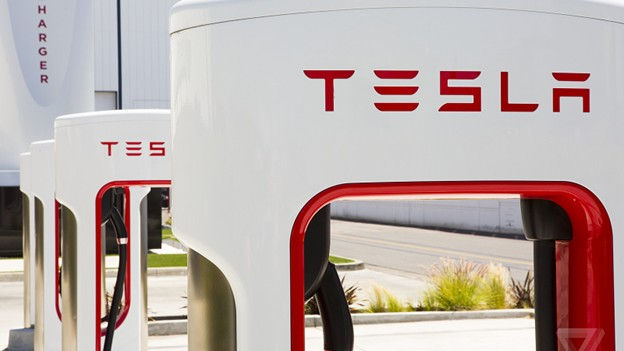
With Tesla, he once poured resources into building an in-house supercomputer (Dojo). Recently, he pivoted—shutting the project down and shifting toward partnerships instead. That move revealed another side of innovation: What if progress means letting go of something you built, so you can redirect energy to what matters most?
And while his ventures span rockets, cars, AI, and satellites, they all share a unifying thread: a laser focus on advancing humanity. Musk has always been clear about his top priorities—sustainable energy, space exploration, global connectivity—and ultimately, his vision of enabling human life on Mars. Every pivot, every experiment, every risk ladders back to that central mission.
The distinction here is clear:
Kodak clung to the past.
Spirit misaligned promise and experience.
AOL held onto legacy too long.
Musk shows that curiosity, courage, and agility can turn vision into enduring impact.
Future-proofing is being willing to experiment, to pivot, and to keep asking questions bigger than the ones your competitors are asking—while staying laser focused on the priorities that matter most.
So… what if your next breakthrough isn’t about doing more—but about daring to ask the bold questions that unlock the future?


